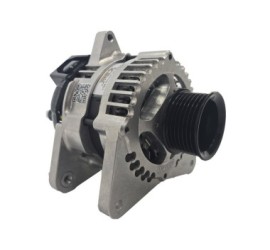
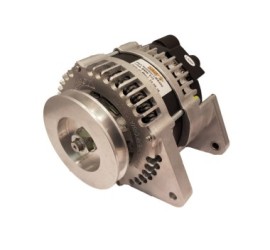
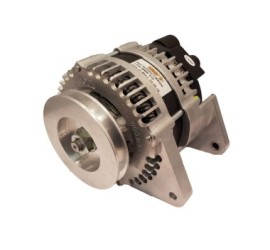
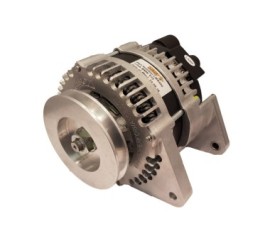
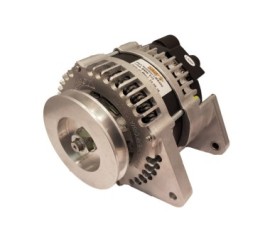
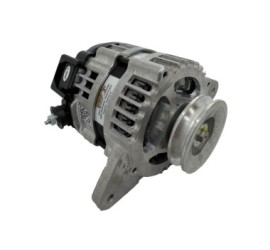
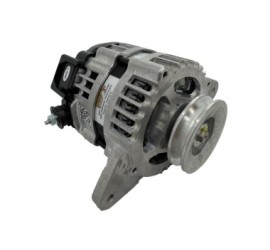
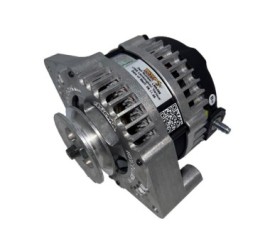
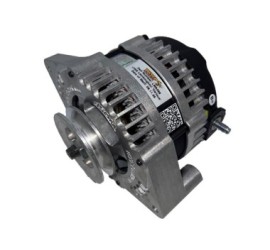
Discover here a range of lightweight alternators specially adapted to your vehicle. Reliable and efficient, these alternators are available with offset, slim, thick or multi-mount brackets.
If you think your alternator is faulty, here is some information that may help you.
First of all, do you know what an alternator is and how it works?
The main function of an alternator is to supply current to your vehicle's entire electrical system, using its battery. It is the running engine that generates electricity and recharges the battery.
It is a belt (called the accessory belt or alternator belt) that transfers the engine's energy to the alternator.
When the engine is not running, for example when starting, it is the battery that performs this function.
Why and when should you replace an alternator?
With a faulty alternator, the battery no longer charges, it runs flat and your vehicle won't start. As with all the red warning lights on your dashboard, if the battery light comes on, it's a bad sign.
Several warning signs can alert you to an alternator nearing the end of its life, such as difficult starting, a charge warning light that comes on, or headlight brightness that varies with engine speed.
How can you tell whether your alternator is working properly?
As the alternator is an electrical component, you will need a multimeter. It lets you check the charging circuit.
First, set the multimeter dial to the 20v DC range of the voltmeter section
Start the vehicle, let the engine idle and switch on electrical accessories (car radio, fog lights, heated rear window, etc.)
Put the red lead of the multimeter on the battery + and the black lead on the -.
The charge should be between 12.5v and 14.7v.